

Air Quality Control During Dust Storms
availableEnsure clean and safe air at home even during dust storms.
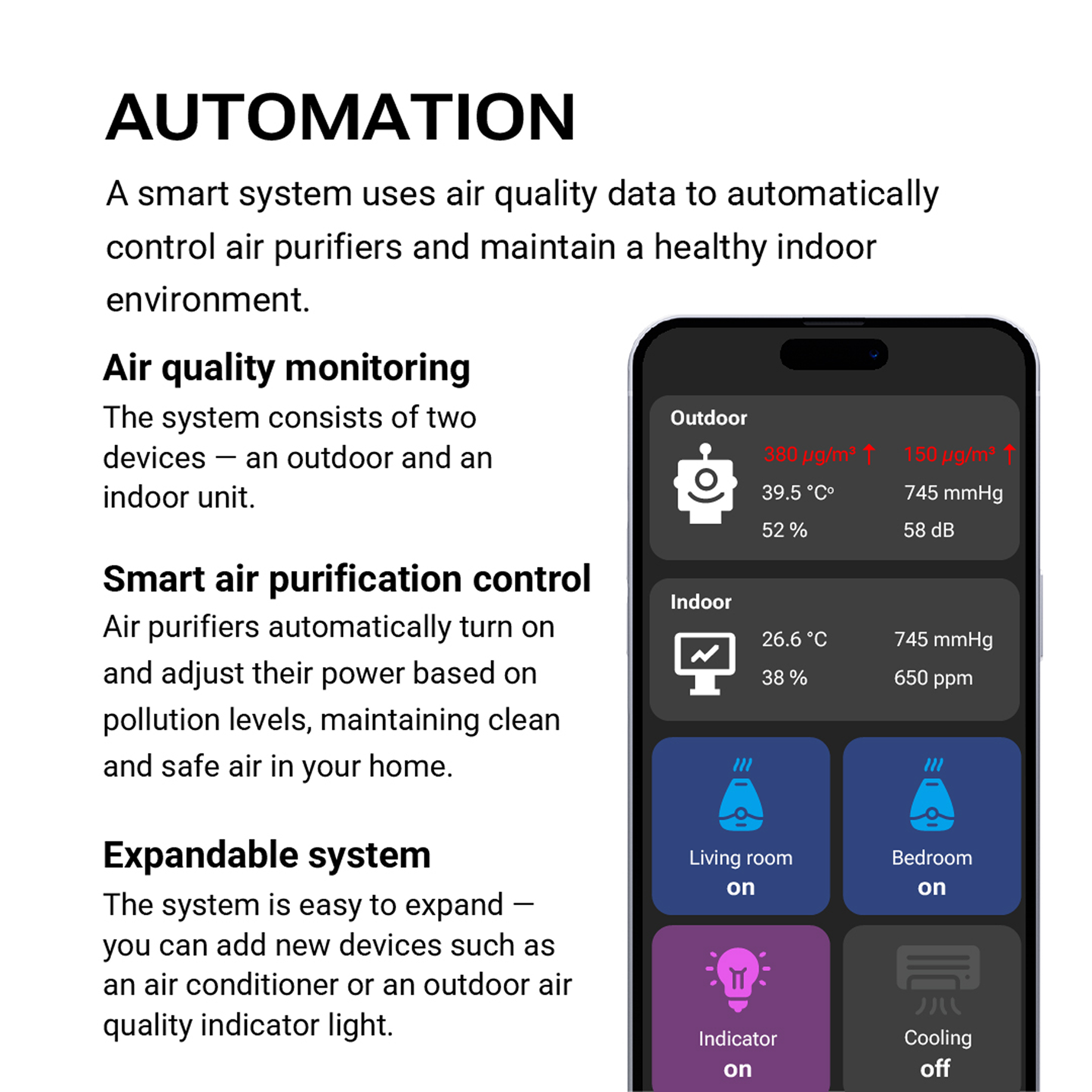
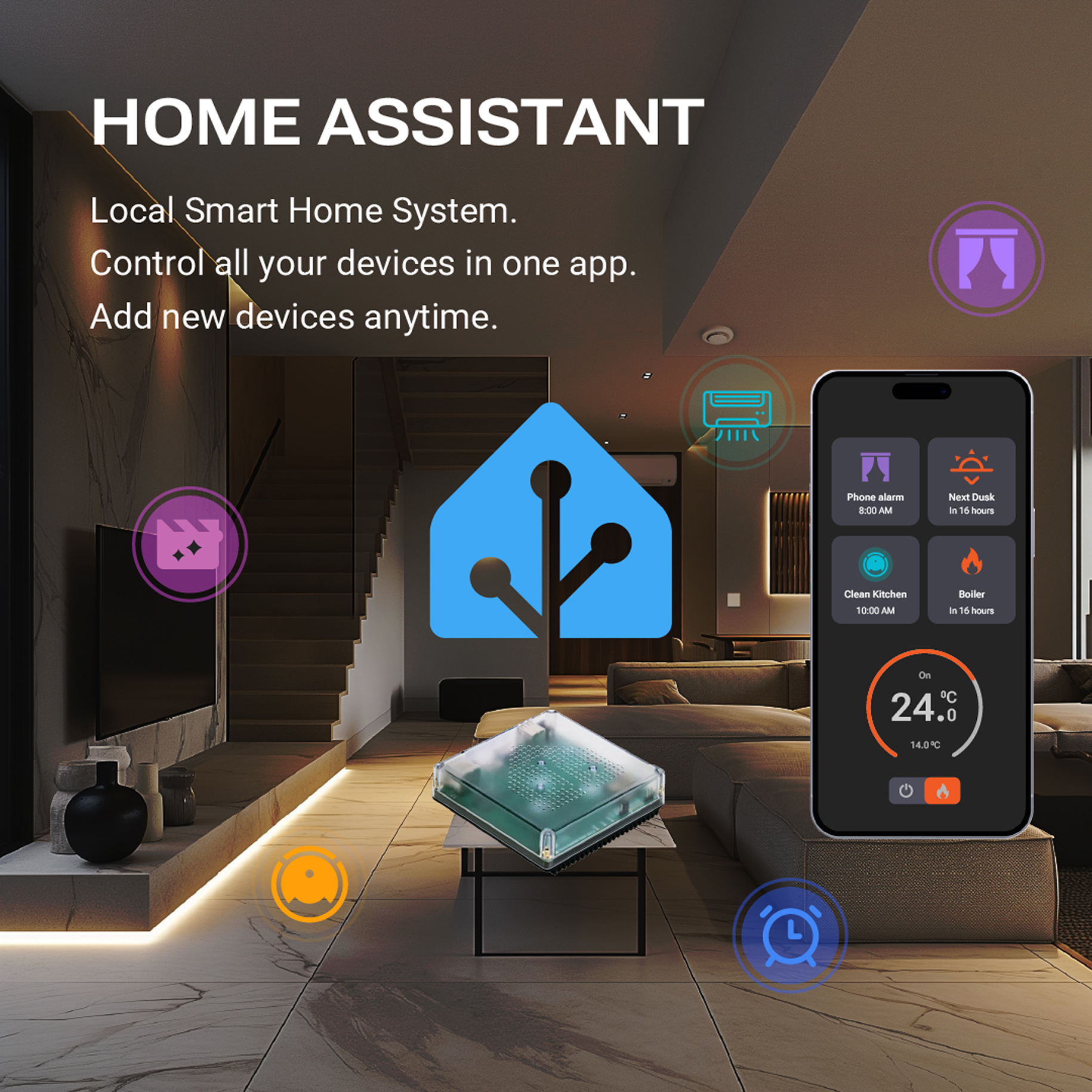
We install and configure an air monitoring and purification system that automatically responds to changes in air quality and maintains a comfortable environment.
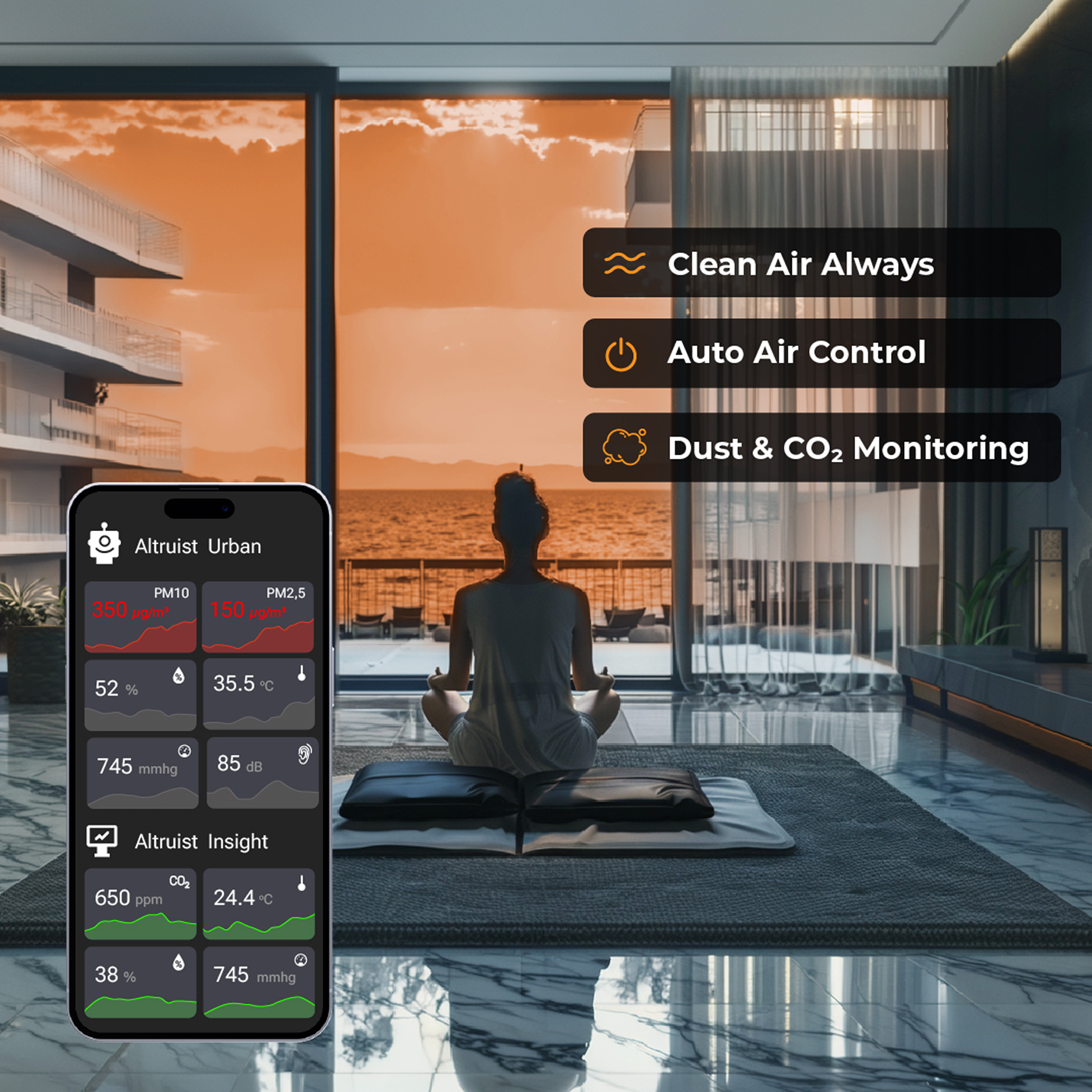
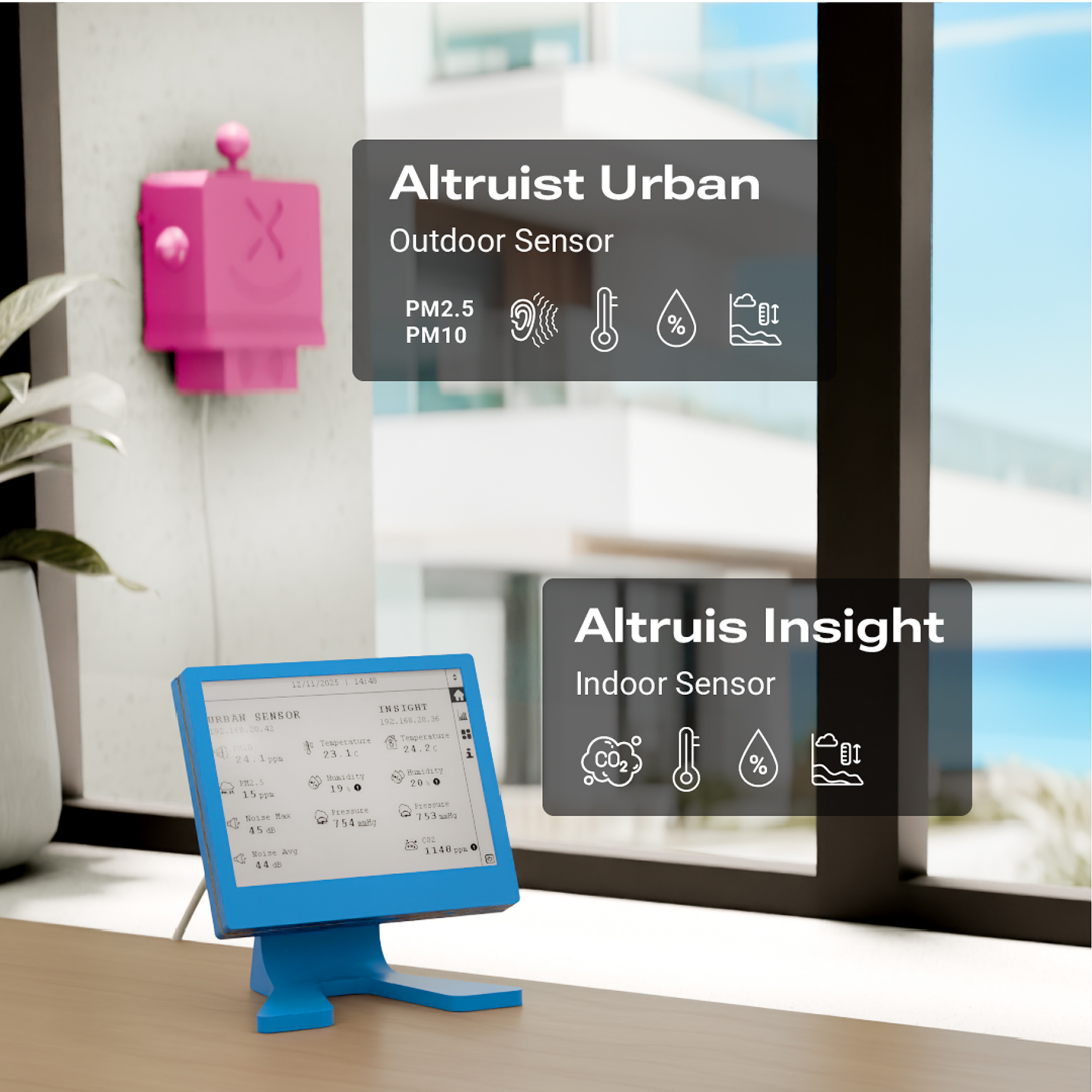
The system tracks outdoor dust levels and indoor CO₂ concentration, automatically controlling air purifiers. Everything runs on a local smart home server, with control and monitoring available through mobile app.
You can always check the air quality and be confident that the system maintains a healthy indoor climate. It also suggests when it’s safe to open the windows and when it’s better to keep them closed.
Total service cost, including equipment and materials
Project timeline: 7 days (from request to completed setup)
On-site work time: 4–6 hours (within one day)


WHAT'S INCLUDED?
- Installation of an outdoor dust sensor and a CO₂ sensor in the bedroom
- Installation and setup of a local smart home server
- Selection, supply, and installation of two air purifiers (living room and bedroom)
- Integration of air purifiers with the smart home system and setup of automatic scenarios
- Mobile app setup for remote access
- User training on how to operate the system
BENEFITS:
- Automatic Air Purification – the system reacts to dust and CO₂ without your involvement
- Healthy Indoor Climate – real-time air quality monitoring
- Dust Storm Protection – clean air even in harsh conditions
- Remote Control - manage everything via smartphone from anywhere
- Comfort - fully automated, no constant attention needed
- Reliability - runs on a local server without cloud dependency

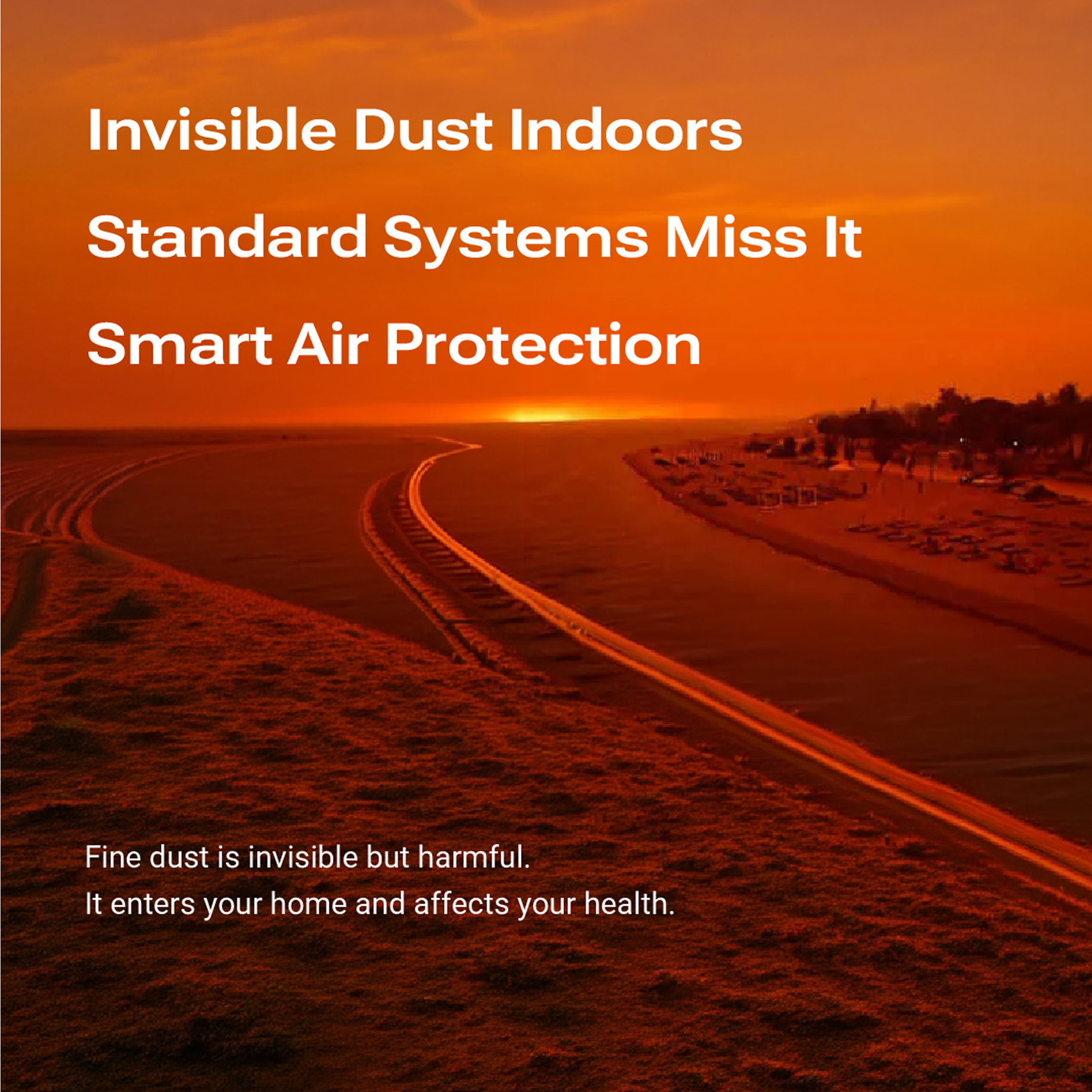
During dust storms, for example, the Saharan dust storm in Cyprus (April 2-4, 2026, lasting 53 hours), air quality deteriorates not only outdoors but also indoors.
The main issue is coarse dust particles. They behave differently:
- particles easily enter indoor spaces through windows, gaps, and ventilation
- not all air purifiers detect them accurately
- many consumer devices fail to trigger automatic purification in time


Health Risks
Such dust can:
- penetrate deep into the lungs
- cause irritation of the eyes and respiratory system
- worsen allergies and asthma
- lead to fatigue, headaches, and a general decline in well-being
Everyday Inconveniences
- it's not possible to properly ventilate the space
- dust settles on furniture and surfaces
- sleep and concentration are affected
- it's difficult to know when it's safe to open the windows
Submit your request
We will contact you within 24 hours.